
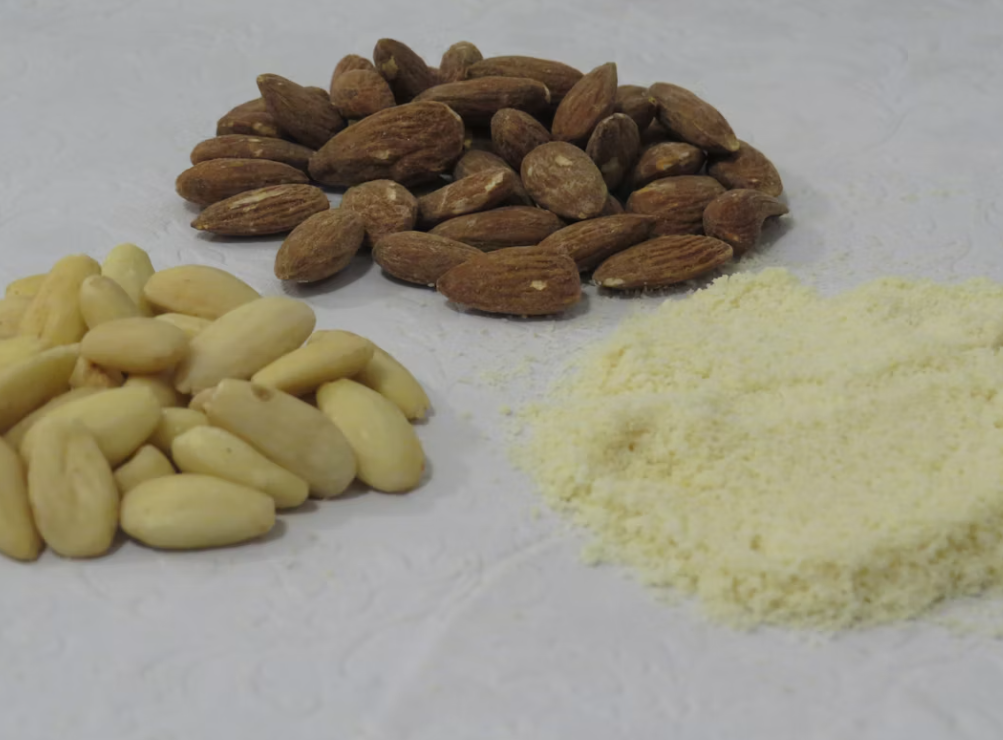
As more consumers look for plant-based ingredients, almond-based products continue to gain attention for their versatility and nutritional benefits. Almond protein powder offers a concentrated source of plant protein, while almond milk provides a dairy-free beverage option that fits a variety of dietary preferences. Together, they can support products focused on wellness, clean-label ingredients, and plant-based nutrition.
Understanding almond milk nutrition and how almond protein powder complements it can help manufacturers and consumers make more informed choices.
What Is Almond Protein Powder?
Almond protein powder is produced through a process that removes much of the almond’s oil content, resulting in a product with significantly higher protein levels than traditional almond flour. This process creates a versatile ingredient that can be used in protein blends, nutrition products, baked goods, beverages, and other food applications.
Compared to conventional almond flour, almond protein powder contains a higher concentration of protein while maintaining the natural flavor and nutritional benefits associated with almonds.
Understanding Almond Milk Nutrition
When discussing almond milk nutrition, it is important to recognize that almond milk and whole almonds offer different nutritional profiles. Almond milk is typically lower in calories and fat than whole almonds, making it a popular choice for those seeking a lighter dairy alternative. Many commercial almond milks are also fortified with calcium and vitamin D.
Common nutritional benefits of almond milk include:
- Low calorie content
- Dairy-free and lactose-free formulation
- Naturally low in saturated fat
- Often fortified with calcium and vitamins
- Suitable for many plant-based diets
These characteristics have helped almond milk become one of the most widely consumed plant-based milk alternatives.
How Almond Protein Powder Enhances Nutrition
One challenge with almond milk nutrition is that almond milk itself is often relatively low in protein. Many commercial varieties contain only small amounts of naturally occurring protein per serving.
Almond protein powder helps address this by providing concentrated plant-based protein derived directly from almonds. According to Harris Woolf Almonds, its almond protein powder contains more than 40% protein and can be incorporated into a variety of food and beverage applications.
This makes it a useful ingredient for:
- Protein beverages
- Meal replacement products
- Sports nutrition formulations
- Dairy-free products
- Plant-based snacks and bars
The result is a way to increase protein content while maintaining an almond-based ingredient profile.
Nutritional Benefits Beyond Protein
In addition to protein, almond-derived ingredients contain naturally occurring nutrients that support overall nutrition. Almond protein powder retains nutrients found in almonds, including:
- Vitamin E
- Magnesium
- Calcium
- Iron
- Dietary fiber
These nutrients contribute to the appeal of almond-based ingredients in health-conscious product development.
Supporting Plant-Based Product Development
Consumer demand for plant-based foods continues to grow, creating opportunities for ingredients that deliver both functionality and nutrition. Almond protein powder is naturally vegan, gluten-free, and dairy-free, making it suitable for a wide range of formulations.
Its mild flavor and fine texture allow it to blend easily into products without overpowering other ingredients, making it useful for both food and beverage applications.
Applications Across Food and Beverage Categories
Almond protein powder can be used in numerous applications where manufacturers want to enhance protein content while maintaining a clean ingredient list.
Common uses include:
- Protein shakes and smoothies
- Dairy alternatives
- Gluten-free baking mixes
- Nutrition bars
- Low-carb products
- Functional snacks
Because it works well with almond milk and other plant-based ingredients, it offers flexibility for brands focused on nutrition and product innovation.
A Versatile Ingredient for Modern Nutrition
As interest in plant-based foods continues to expand, almond-based ingredients provide opportunities to create products that align with changing consumer preferences. While almond milk nutrition offers benefits such as lower calories and dairy-free convenience, almond protein powder can help boost protein content and add nutritional value to a variety of formulations.
Together, these almond-derived ingredients provide a versatile foundation for food and beverage products designed to support modern nutritional goals while meeting demand for clean-label, plant-based options.