
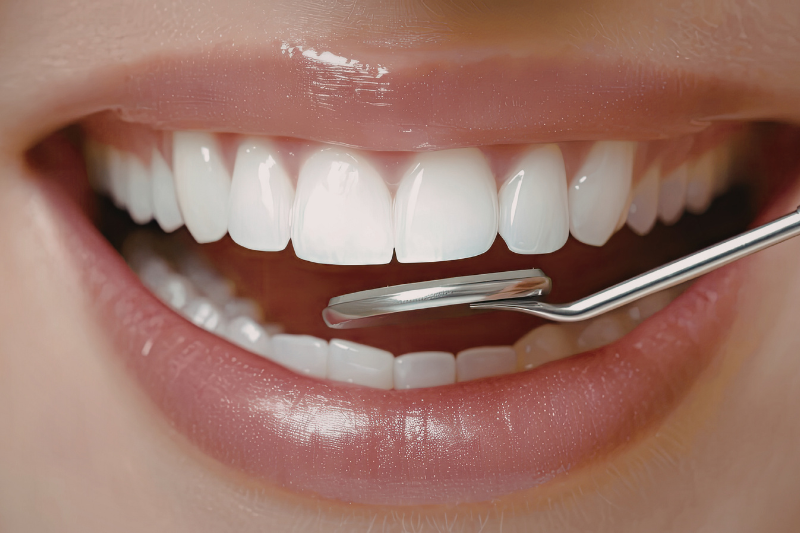
The best foods for healthy teeth are foods that support enamel strength, stimulate saliva, protect the gums, and reduce the effect of acids and plaque-causing bacteria. Cheese, plain yogurt, milk, leafy greens, crunchy vegetables, apples, nuts, eggs, salmon, green tea, and water are some of the strongest everyday choices for oral health.
Healthy teeth are not built by brushing alone. What you eat affects enamel minerals, saliva flow, gum tissue, oral bacteria, and how often your teeth are exposed to acid. A tooth-friendly diet works best when it is paired with daily brushing, flossing, routine dental visits, and enamel-supportive products such as hydroxyapatite toothpaste, which can help support remineralization as part of a consistent oral care routine.
Key Takeaways
- Calcium, phosphorus, vitamin D, and vitamin C are key nutrients for strong teeth and healthy gums.
- Cheese, milk, and plain yogurt help support enamel because they provide calcium and phosphates.
- Crunchy fruits and vegetables help stimulate saliva, which naturally protects teeth from acid.
- Sugary, sticky, acidic, and highly processed foods should be limited because they increase cavity and enamel erosion risk.
- Water, especially after meals and snacks, helps rinse away food particles and reduce acid exposure.
Why Food Matters for Healthy Teeth
Food affects the mouth every time you eat. Some foods strengthen enamel, support gum tissue, and help saliva do its protective work. Other foods feed harmful bacteria, increase acid production, and leave sticky residue on the teeth.
Tooth enamel is the hard outer layer that protects each tooth. Although enamel is strong, it can lose minerals when exposed to acids from bacteria, soda, citrus, sports drinks, and frequent snacking. Saliva helps neutralize acids and bring minerals back to the enamel surface. That is why the best foods for healthy teeth often have one or more of these traits: they provide minerals, encourage saliva, require chewing, or avoid added sugar.
Best Foods for Healthy Teeth

1. Cheese
Cheese is one of the best foods for teeth because it contains calcium, phosphorus, and casein proteins. These nutrients help support enamel structure. Cheese also encourages saliva production, which helps neutralize acids after eating.
Hard and semi-hard cheeses, such as cheddar, Swiss, and Monterey Jack, are especially useful because they are low in sugar and easy to pair with meals or snacks.
2. Plain Yogurt
Plain yogurt supports teeth and gums because it provides calcium, protein, and beneficial cultures. Choose unsweetened yogurt when possible because flavored yogurts can contain added sugars.
Greek yogurt is a good option because it is higher in protein and often lower in sugar than many sweetened yogurts. Add fresh berries or chopped nuts instead of sugary toppings.
3. Milk
Milk provides calcium, phosphorus, and vitamin D, all of which help support healthy teeth. It is less acidic than soda, juice, and many flavored drinks, making it a better everyday beverage choice.
For people who do not drink dairy milk, fortified plant-based milks can still provide calcium and vitamin D, but it is important to check the label and choose unsweetened options.
4. Leafy Greens
Spinach, kale, collard greens, arugula, and other leafy greens are excellent for oral health. They provide calcium, folate, magnesium, and antioxidants that support teeth and gums.
Leafy greens are also low in sugar and easy to add to meals. Use them in salads, omelets, soups, grain bowls, and smoothies.
5. Crunchy Vegetables
Carrots, celery, cucumbers, and bell peppers are smart choices for healthy teeth. Their crunchy texture helps stimulate saliva, and their high water content helps rinse the mouth.
Celery is especially useful as a snack because it requires chewing and can help move food particles away from the teeth. Carrots are naturally sweet but less harmful than sticky candy or sugary snacks.
6. Apples
Apples are not a replacement for brushing, but they can be a tooth-friendly fruit choice. Their crisp texture helps stimulate saliva, and their fiber content makes them more satisfying than soft, sugary snacks.
Because apples still contain natural sugars and acids, they are best eaten with meals or followed by water.
7. Nuts and Seeds
Almonds, walnuts, cashews, pumpkin seeds, sesame seeds, and chia seeds can support oral health because they provide minerals, healthy fats, and protein. Almonds are especially known for their calcium content.
Choose plain or lightly salted nuts instead of honey-roasted or sugar-coated varieties.
8. Eggs
Eggs provide protein, phosphorus, and vitamin D. These nutrients support the body’s ability to maintain strong teeth and bones. Eggs are also low in sugar, making them a better breakfast option than pastries, sweet cereals, or flavored breakfast bars.
9. Fatty Fish
Salmon, sardines, mackerel, and trout provide vitamin D and omega-3 fatty acids. Vitamin D helps the body absorb calcium, while omega-3s support overall inflammatory balance, including gum health.
Sardines with bones are especially rich in calcium, although they may not be everyone’s first choice.
10. Green and Black Tea
Green and black tea contain polyphenols, plant compounds that may help reduce the activity of certain oral bacteria. Unsweetened tea is a better choice than soda, sweet tea, or energy drinks.
Tea can stain teeth over time, so drinking water afterward and maintaining regular brushing can help.
11. Water
Water is one of the simplest and most important choices for healthy teeth. It helps rinse away food particles, dilute acids, and support saliva flow.
Drinking water after coffee, tea, citrus, sweets, or snacks can help reduce the amount of time acids and sugars stay on the teeth.
Best Nutrients for Strong Teeth and Gums
Healthy teeth need more than one nutrient. A strong oral-health diet includes:
- Calcium: Supports enamel and jawbone strength. Found in dairy, leafy greens, almonds, tofu, and fortified foods.
- Phosphorus: Works with calcium to support tooth structure. Found in eggs, fish, poultry, dairy, nuts, and beans.
- Vitamin D: Helps the body absorb calcium. Found in fatty fish, eggs, fortified milk, and safe sunlight exposure.
- Vitamin C: Supports healthy gum tissue. Found in bell peppers, citrus, strawberries, kiwi, broccoli, and leafy greens.
- Protein: Supports tissue repair and overall oral health. Found in eggs, fish, poultry, beans, lentils, yogurt, and nuts.
Foods and Drinks to Limit for Better Dental Health
Some foods are not harmful because of one bite. The bigger issue is frequency, stickiness, acidity, and how long they stay on the teeth.
Limit these when possible:
- Sticky candy, gummies, caramels, and dried fruit
- Soda, sports drinks, energy drinks, and sweet tea
- Frequent fruit juice
- Sugary cereals and pastries
- Chips, crackers, and soft breads that stick between teeth
- Sour candies and acidic snacks
- Constant grazing throughout the day
It is usually better to enjoy sweets with a meal rather than snack on them repeatedly. Meals stimulate more saliva, which helps reduce acid exposure.

A tooth-friendly diet does not need to be complicated. Try combinations like:
- Breakfast: Plain Greek yogurt with berries and almonds
- Lunch: Salmon salad with leafy greens, cucumbers, and cheese
- Snack: Apple slices with cheese or carrots with hummus
- Dinner: Eggs, roasted vegetables, leafy greens, and brown rice
- Drink: Water throughout the day, with unsweetened tea as an option
The goal is not perfection. The goal is to make your everyday pattern more supportive of enamel, saliva, and gum health.
How to Eat for Healthy Teeth
The way you eat matters almost as much as what you eat. Frequent snacking gives oral bacteria more chances to produce acid. Sipping sugary or acidic drinks over several hours keeps enamel under repeated acid exposure.
For better dental health:
- Drink water after meals and snacks.
- Keep sugary foods to occasional treats.
- Choose unsweetened dairy and beverages.
- Eat crunchy vegetables regularly.
- Avoid brushing immediately after very acidic foods or drinks.
- Brush twice daily and floss daily.
Final Thoughts
The best foods for healthy teeth are simple, nutrient-rich, and easy to include in everyday meals. Cheese, plain yogurt, leafy greens, crunchy vegetables, apples, nuts, eggs, fatty fish, tea, and water all support oral health in different ways.
A strong dental-health routine combines smart food choices with consistent brushing, flossing, hydration, and professional dental care. When your diet supports enamel, saliva, and gum tissue, your daily oral care routine has a stronger foundation to work from.