
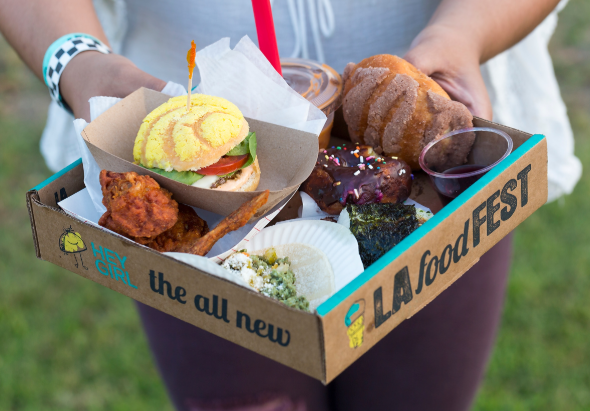
One of the most intense service environments in the food industry is the food stall at a festival. You have one day, a limited number of products, no stock room to walk to and hundreds of customers that will not wait. In this context, packaging is not just a supporting element; it’s an operational tool. You’re out of service, lose money waiting for items to pack and serve, or hand customers food that falls apart.
This detailed guide is for food vendors, street food businesses and market traders who need to consider, source and manage packaging for their high volume, single-day food festival. It’s not just about running your first or your fiftieth festival, there’s a process to get it right!
Why Festivals Are the Hardest Packaging Scenario
The majority of food businesses can get stock in the middle of the week. Festivals take this in an opposite way. When you arrive, you bring all your boxes, cups, napkins, and so on and if you run out of boxes at 1 pm on Saturday, there’s really no way to fix that.
Packaging is difficult for festival service, due to three particular features:
Speed is Everything
Customers at the festival want to be served in less than two minutes. Foldable packages, complicated packages to assemble and packages that don’t click on easily will slow your line and cost you sales and demand in peak hours.
Volume Spikes Unpredictably
This afternoon difference in the sun can triple throughput in an hour. If the weather is fine and the crowd grows, packaging that might have been adequate at 10 am may look rather skimpy by 2 pm.
There is no back-of-house
A restaurant may reorder mid-weekly or take from other parts of the stores. During a festival, your packaging stock is the one that you brought. Nothing more.
Before taking any action regarding packaging, it is important to take these three realities into consideration.
Step 1: Estimating Packaging Quantities for Festival

One of the most popular errors made by the festival vendors is to estimate the amount of packaging needed for the festival based on just the number of covers. It does fit well due to lack of variation.
A more reliable method:
- Take your expected covers for the day
- The basic buffer for demand spikes, spillage and errors is 35%.
- Plus an additional 10% for packaging failures such as boxes that are crushed during shipment, lids that crack when it gets cold, cups that end up dented.
If you think you’ll have 400 people, then package for 595. Round up to a standard pack.
Use this equation individually with each packaging item such as main containers, side containers, napkins, bags, cups, lids, sauce pots and cutlery. Each runs out separately and each has a different effect.
There is also a higher risk of staff errors. Staff will mispack, drop or seal containers incorrectly at high speed when under pressure. You also have to budget for this.
Step 2: Selection Of Food Boxes and Containers For Festival Service

Your biggest festival packaging choice is the container in which you serve your food. It needs to be able to do three things: be able to keep the food secure, keep the heat in, and enable your staff to pack the food quickly without thinking.
The key points for consideration in a container festival are:
Heat Retention
The first filter is about heat retention. Cardboard boxes conduct heat more rapidly than PP or CPET boxes. A good cardboard box with a tight lid is generally adequate for hot foods that are served straight after being cooked. A PP container with a snap-on lid will keep food hot much longer in a bag before the customer eats it.
Structural Integrity Under Pressure
It’s more important at a festival than in a restaurant. Customers are placing items in boxes which are being pushed, pulled and compressed by other customers who are also carrying a beverage through a crowd. If the container can’t withstand lateral pressure, it will not pass!
Speed Of Packing
The time it takes to pack is underrated. Measure your team’s closing and sealing time at maximum speed. The difference between a managed queue and a lost sale is a box that takes 3 seconds longer per serve than its alternative, is going to cost you 4-5 minutes of throughput per hundred serves.
Branded containers compared to plain containers
Bulk Food packaging manufacturers are now hired by multiple vendors on a short run basis to make containers for their festivals, and this trend is growing with each passing season. The print version is frequently just a bit more expensive for the same unit, and when the boxes are read by a lot of people in a noisy crowd, it’s like walking advertisements! Your branded box is carried through the site by the customers.
If the vendor is new to the business or experimenting with a new event, then simple containers with a sticker label is a helpful short-term alternative that maintains flexibility while not being fully lost of presentation.
Step 3: Essential Packaging Supplies That Run Out First
All professional festival vendors have at least one tale of a lack of napkins, sauce pots, or carrier bags. In the planning phase, these look like the “little things” that become “big things” when it comes time to go to service.
Food packaging supplies for a festival day should be dealt with as seriously as calculating your food stock. These include:
- Cutlery pack: A cutlery pack is something that is not always remembered but needed.
- Napkins: These are consumed at a rate most vendors may underestimate it by 40 to 50%
- Sauce pots (if serving sauces) and condiment cups: they go just as fast as anything else.
- Single use gloves: a hygiene need, which is also a packaging related supply
- Carrier bags: bags are required if the customer ordered more than one item, or ordered food and drink.
- Sticker or tamper bands: usually needed by festival organisers to prove food hygiene standards.
The same method of calculation is used: expected covers + 35% spike buffer + 10% wastage. In the case of napkins, the experienced vendors have a baseline of two per customer and still run short. The great planning figure is 3 per customer.
These general food packaging supplies, which can be ordered from a wholesaler, not a cash and carry store, will have a lower per unit cost, especially for napkins and bags at high volumes. It also helps to make sure that the specification is matched. Keep in note that the bag sizes and sauce pot lids that do not match are operational hassles that waste time during service.
Step 4: Managing Hot Drink Packaging for High Volume

When serving hot beverages (coffee, tea, chai, hot chocolate), then you need to plan your cup setup carefully. Drink packaging fails in various ways to food packaging, and these failures are more apparent to the people who use it.
The lid compatibility problem
Many festival vendors, who buy from various vendors for their cups and lids, find the problem of compatibility on the day of the festival. Different manufacturers may have different tolerances for their diameter of lids even if they are labelled the same size. If the lid is technically in size, but it takes a lot of effort to close, it will slow you down and it will make your team frustrated during stress.
Sleeves and double-wall cups
Insulation of single wall paper cups is not effective and the heat is readily transferred to the hand. It is more of a problem at festivals, where customers are standing and moving than in a café. Double wall cups are more expensive but eliminate the need to use sleeves, make your service easier and lessen the risk of customers dropping a hot beverage in a crowd.
For single wall cups with sleeves, pre-stock the sleeves in the serving area and make sure staff use them the same way every time. A sleeve that doesn’t get on in a timely manner means a customer complaint is waiting to happen.
Sourcing festival cup volumes
Hot drink vendors should set up a paper cups wholesale account before the season starts. More and more cup and packaging manufacturers are looking for FSC-certified board, compostable materials or recycling labels by OPRL to meet the requirements of festival organisers. Wholesale accounts are more convenient as they provide you with the time to get the appropriate specification and check the certification, which you might not have had the time to do if you had purchased it the week prior from cash and carry.
Step 5 — Sustainable Packaging Standards At Festival

There has been a significant focus on the sustainability requirements for festivals. Many festivals now require vendors to adhere to certain environmental standards of packaging. However, some charge non-compliance fees or they exclude vendors from future lineup for failure to do so.
Common requirements include:
- FSC-certified paper and board products
- On-pack recycling labels (OPRL in the UK)
- Compostable containers meeting EN 13432 or BPI standards
- No expanded polystyrene (EPS)
- Reusable cup schemes for hot drinks
These requirements are not just a matter of compliance. It’s no surprise that festival-goers are more likely to be sustainability-minded people, and making sustainability a key part of your packaging can help strengthen your brand positioning with those you are reaching.
A practical tip: compostable containers at festivals must find the right waste stream where they can be of benefit to the environment. A lot of sites at festivals have real sustainability programmes, and they always have compostable waste bins labelled. Make sure you know beforehand what waste infrastructure the organiser will provide, so you can guide your customers accordingly.
Step 6: Practices for Packaging Storage and On Site Setup

Packaging is as important as what you order and how you pack and transport it. Boxes and containers that arrive in the festival site crushed, damp or disorganised cause issues before services are even provided.
Practical guidelines:
- Store containers in their original flat-packed or nested format and only set up serving quantities at a time. Boxes that are fully erected will occupy much more space and be prone to crushing.
- Use sealed sleeves to store cups until ready to use. Rainfall and morning dew makes unsealed cups non-useable.
- Divide packaging stock into allocation for the pack and reserve stock. What is on the serving counter is what is your starting allocation. Stock kept for future use remains sealed and secure. Never mix them.
- Before loading, clearly identify your boxes according to their items so that you can easily locate them. 7AM in a busy van is a real time cost to find the right box.
Packaging Strategies For a Successful Festival Service
In the case of festival packaging, there are three disciplines to ensure success: 1) calculate the volume precisely, 2) choose the right packaging for the operation, 3) order the packaging in advance.
Just the expected covers, plus 45% total buffer to calculate. Each item is used independently, so calculate each one separately. Don’t select containers just for looks; choose them for their speed in packing and heat-holding ability. Practice the complete packing process at speed prior to the event.
Source early as wholesale cup accounts, sustainable certified materials and other unique branded containers, all need lead time. The week before the event is not the time for sourcing as it’s at that time you pay premium prices for what you have rather than what you need. One well-made festival with the right packaging can help you get repeat bookings, more social sharing and more word of mouth. Always get the packaging right and the food will do the rest.