
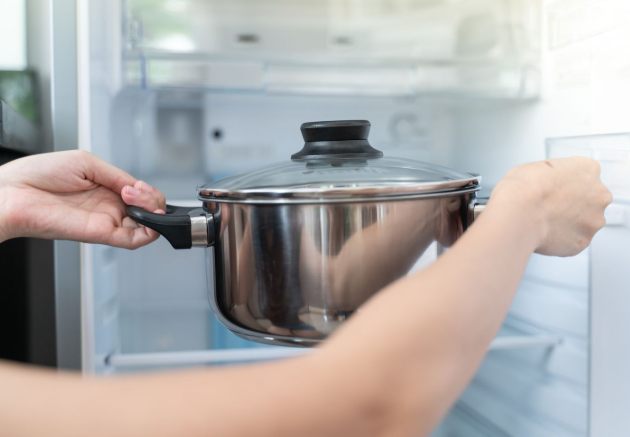
Soup is one of the most comforting and versatile meals, loved for its warmth, convenience, and ability to use up leftovers. However, because soup often combines multiple ingredients such as meat, vegetables, dairy, and broth, it is also highly perishable once cooked. Understanding how long soup lasts in the fridge is essential for food safety, taste, and reducing waste.
The Standard Food Safety Rule
In general, most homemade soups are safe to eat for 3 to 4 days when stored properly in the refrigerator. This applies to a wide variety of soups, including chicken soup, vegetable soup, beef stew, lentil soup, and noodle-based soups.
After this period, the risk of bacterial growth increases significantly—even if the soup still looks or smells fine. Refrigeration slows bacterial growth but does not stop it completely.
Why Soup Spoils Relatively Quickly
Soup provides an ideal environment for bacteria due to:
- High moisture content
- Mixed ingredients (proteins, starches, dairy)
- Warm cooling periods after cooking
- Exposure to air during storage
Because of this combination, soup should always be treated as a short-term refrigerated food.
Factors That Affect How Long Soup Stays Fresh
Ingredients Used in the Recipe
The type of ingredients in your soup plays a major role in its shelf life:
- Meat-based soups (chicken, beef, pork, seafood) spoil faster
- Dairy-based soups (cream soups, chowders) are more sensitive to bacteria
- Vegetable and broth-based soups tend to last slightly longer
The more perishable ingredients included, the shorter the fridge life.
Storage Temperature
Your refrigerator should be kept at or below 40°F (4°C). Any warmer, and bacteria can multiply more quickly, reducing the safe storage time.
Cooling Time Before Refrigeration
Soup that sits out too long before being refrigerated enters the “danger zone” (40°F–140°F / 4°C–60°C), where bacteria grow rapidly.
Ideally, soup should be refrigerated within 2 hours of cooking.
Storage Method
Soup stored in airtight containers lasts longer and stays fresher compared to soup stored in open or loosely covered containers.
How to Store Soup Properly in the Fridge
Cool Soup Safely Before Storing
One of the most important steps is cooling soup correctly before refrigerating it. However, it should not be left out for too long.
To cool soup faster:
- Divide it into smaller containers
- Place the pot in an ice bath
- Stir occasionally to release heat
Once it reaches a safe temperature, refrigerate immediately.
Use Airtight Containers
Soup should always be stored in sealed, airtight containers. This prevents:
- Contamination from other foods
- Absorption of fridge odors
- Moisture loss or flavor changes
Glass containers are often preferred because they do not retain odors and are easy to clean.
Store Soup on the Right Shelf
Place soup on the middle or lower shelves of the refrigerator where temperatures are more stable. Avoid the fridge door, as temperature fluctuations occur every time it is opened.
How to Tell If Soup Has Gone Bad
Look for Visual Signs
Spoiled soup may show visible changes such as:
- Mold growth on the surface
- Cloudy or slimy texture
- Separation that does not mix when stirred
- Unusual discoloration
If you notice any of these signs, the soup should be discarded immediately.
Smell Test
A sour, fermented, or “off” smell is one of the strongest indicators that soup is no longer safe to eat. Even if it looks normal, smell changes should not be ignored.
Taste Test (Only if Necessary)
If the soup passes visual and smell checks but you are unsure, take a very small taste. Any sour or unusual flavor means it should not be consumed.
Does the Type of Soup Matter?
Meat-Based Soups
Soups containing chicken, beef, pork, or seafood spoil faster due to high protein content. These should ideally be eaten within 3 days.
Creamy or Dairy-Based Soups
Soups like clam chowder, cream of mushroom, or broccoli cheese soup have a shorter shelf life due to dairy content. These soups spoil more quickly and should be consumed as soon as possible.
Vegetable and Broth-Based Soups
Vegetable soups and clear broths tend to last slightly longer, usually up to 4 days, because they contain fewer high-risk ingredients.
Noodle and Rice Soups
Soups containing pasta, rice, or grains may change texture over time. They can absorb liquid and become mushy, even if still safe to eat within the 3–4 day window.
Can You Freeze Soup to Extend Shelf Life?
Freezing Is the Best Long-Term Solution
If you want to keep soup longer than a few days, freezing is the safest and most effective option. Most soups can be frozen for 2 to 3 months without significant loss of quality.
How to Freeze Soup Properly
To preserve soup quality:
- Let it cool completely before freezing
- Use freezer-safe containers or bags
- Leave space for expansion
- Label with date and type of soup
Soups That Freeze Well
Some soups freeze better than others, including:
- Vegetable soups
- Lentil and bean soups
- Chicken broth-based soups
- Beef stew
Soups That May Change Texture
Some soups do not freeze as well:
- Cream-based soups (may separate)
- Soups with pasta or potatoes (may become mushy)
In these cases, consider freezing the base and adding fresh ingredients when reheating.
How to Reheat Soup Safely
Heat Thoroughly Before Eating
Always reheat soup until it reaches an internal temperature of 165°F (74°C). This ensures any bacteria that may have developed are destroyed.
Avoid Repeated Reheating
Reheating soup multiple times increases the risk of bacterial growth and reduces quality. Only reheat the portion you plan to eat.
Stir While Reheating
Stirring helps distribute heat evenly and prevents cold spots where bacteria may survive.
Common Mistakes When Storing Soup
Leaving Soup at Room Temperature Too Long
One of the most common mistakes is leaving soup out for several hours after cooking. This allows bacteria to multiply rapidly.
Putting Hot Soup Directly in the Fridge
Placing very hot soup in the refrigerator can raise the internal temperature of the fridge, affecting other stored foods. Always allow it to cool slightly first.
Using Poor Storage Containers
Containers that are not airtight can expose soup to air, bacteria, and odor contamination, reducing shelf life.
The Role of Commercial Fridges in Professional Food Storage and Safety
While home kitchens rely on standard refrigerators, commercial kitchens need more powerful and reliable cooling systems to handle larger volumes of food. A commercial refrigerator is specifically designed to maintain stable temperatures even during constant opening and closing in busy environments such as restaurants, cafés, hotels, and catering businesses.
One of the key advantages of a commercial fridge is its ability to keep perishable foods—such as soup, dairy, meat, and prepared meals—at safe temperatures consistently throughout the day. This helps reduce the risk of bacterial growth, which is especially important for foods like soup that spoil relatively quickly.
Commercial fridges also offer better organization and storage capacity, allowing chefs and kitchen staff to separate raw ingredients, cooked food, and ready-to-serve items. This improves workflow efficiency and ensures food safety standards are properly maintained.
For businesses that regularly prepare large batches of soup or other perishable dishes, investing in a high-quality commercial fridge is essential. It not only extends the freshness of stored food but also helps reduce waste, improve kitchen efficiency, and ensure compliance with food safety regulations.
Final Thoughts
Soup is a delicious and practical meal, but it requires careful handling once cooked. In most cases, soup should be eaten within 3 to 4 days when stored in the refrigerator. Its exact shelf life depends on ingredients, storage temperature, and how quickly it is cooled after cooking.
Proper storage practices—such as using airtight containers, refrigerating promptly, and keeping consistent temperatures—can help maintain freshness and safety.
When in doubt, freezing soup is always a better long-term solution than keeping it in the fridge for too long. By following safe storage guidelines, you can enjoy your soup with confidence while reducing food waste and protecting your health.