
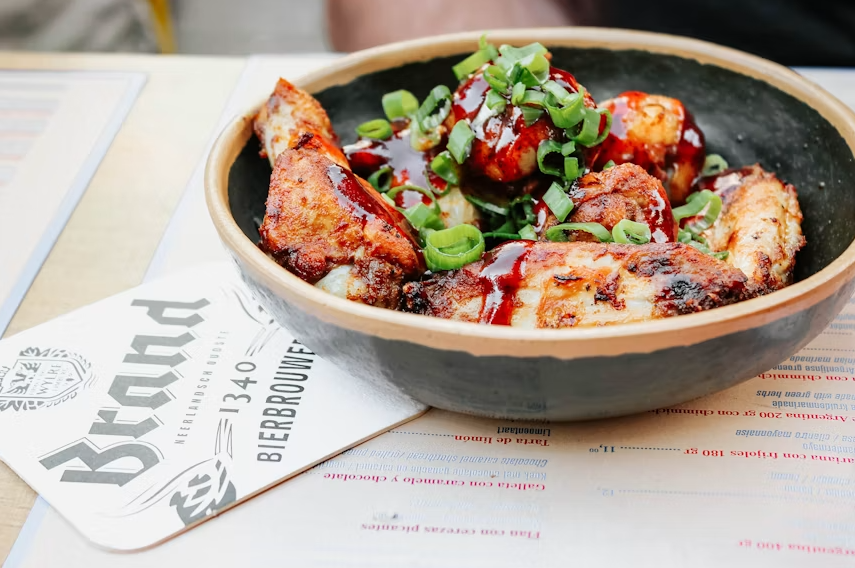
Street food sizzles for all the lip-smacking reasons. The smoky grill. The crispy skin. The juicy bite you grab on the go.
Behind every perfectly charred chicken skewer or golden fried wing is a part of the food chain most foodies never think about. It’s not glamorous. And it’s certainly not something your local chef mentions.
We’re talking about the poultry processing industry.
The Journey from Farm to Street Stall
Before your chicken hits the grill, it goes through a carefully managed procedure. A poultry processing plant handles everything from slaughtering and cleaning to portioning and packaging. Key steps like scalding, defeathering, evisceration, and chilling are designed to preserve meat quality and safety.
These aren’t random steps. They directly impact texture, taste, and shelf life. Fayette Industrial explains that poultry processing companies operate in one of the most demanding environments in food manufacturing.
For street food vendors, that intense inspection expectation means every batch of chicken cooks evenly and tastes as intended.
Taste Starts Before the Grill
Flavor doesn’t primarily come from spices and sauces. It starts earlier. Improper handling during processing can lead to:
- Tough meat
- Off flavors
- Reduced freshness
On the flip side, well-managed plants ensure:
- Better moisture retention
- Cleaner cuts
- Longer-lasting freshness
Research published in Scientific Reports on poultry processing outcomes shows that processing conditions directly influence meat quality and safety. Yep, that juicy street food chicken owes a lot to what happened long before it hit the fryer.
The Hygiene Factor
Street food gets a lot of scrutiny for hygiene. The real foundation starts upstream.
Sanitation practices in processing plants are critical to preventing contamination. Strict cleaning protocols keep things on track. Equipment sterilization and controlled environments are essential to maintaining food safety.
A clean processing chain reduces the risk of foodborne illness and ensures that what ends up on your plate is safe to eat, even from a roadside stall.
The Supply Chain That Keeps Street Food Alive
Food cart vendors rely on a steady, affordable supply. That’s where large-scale chicken processing plants come in.
The global chicken industry is dominated by a handful of powerful players, as mapped by The Conversation’s analysis of poultry industry ownership. These companies control large portions of production, processing, and distribution.
That scale has pros and cons:
- Pro: Reliable supply for vendors
- Pro: Lower costs for consumers
- Con: Less transparency in sourcing
And yet, without this infrastructure, your favorite street food stalls would struggle to keep up with demand.
From Waste to Wow: Using the Whole Bird
Street food culture thrives on creativity. Poultry processing enables it.
Organs, feet, necks, and fat become:
- Grilled delicacies
- Rich broths
- Crispy snacks
A Reddit discussion on on-farm poultry processing spotlights how small-scale producers and vendors use the entire bird to maximize value and reduce waste.
This translates to variety, deeper flavors, and a more sustainable approach to eating.
The Value Chain Behind Every Bite
Poultry processing plants sit at the center of a massive value chain that includes farmers, feed suppliers, processors, distributors, and vendors.
Process management consultant Ojisola Aina writes that the poultry slaughterhouse value chain is one big interconnected system.
Tapping into this chain means:
- Access to consistent quality
- Predictable pricing
- Faster turnaround
“The farmer adds value through expert husbandry and care, often with limited resources. The processor adds value through efficient, safe transformation of raw material into convenient products. And so on, and so on, until that value lands on someone’s plate.” – Ojisola Aina via LinkedIn.
And for you? It means your late-night street food fix is always within reach.
FAQs
1. Do poultry processing plants affect the taste of street food?
Yes. Processing methods influence moisture, texture, and freshness, all of which impact flavor.
2. Are poultry manufacturing plants safe?
When properly managed, they follow strict sanitation protocols to minimize contamination and ensure food safety.
3. Why do street food vendors rely on the poultry production process?
It provides consistent, affordable, and ready-to-cook chicken, which is essential for fast-paced food service.
4. Is all chicken processed the same way?
No. Processing standards vary by facility, which can affect quality, safety, and taste.
Poultry Processing & Street Food: Key Facts
| Metric | Insight | Source |
| Global popularity | Chicken is the world’s most consumed meat | UN Food and Agriculture Organization |
| Processing steps | Includes scalding, defeathering, evisceration, chilling | WATT Poultry magazine |
| Food safety impact | Sanitation reduces contamination risk significantly | Fayette Industrial |
| Supply chain control | A few major companies dominate global poultry production | The Conversation |
What’s the Takeaway for Foodies?
Street food might appear spontaneous and unfiltered, but don’t forget that it’s powered by a structured system.
The next time you bite into a grilled chicken skewer, remember the texture was shaped during processing. Safety started with sanitation. The availability depends on global supply chains.
In short, poultry processing plants are the invisible engine behind the street food scene. And when they get it right? You taste the difference.