
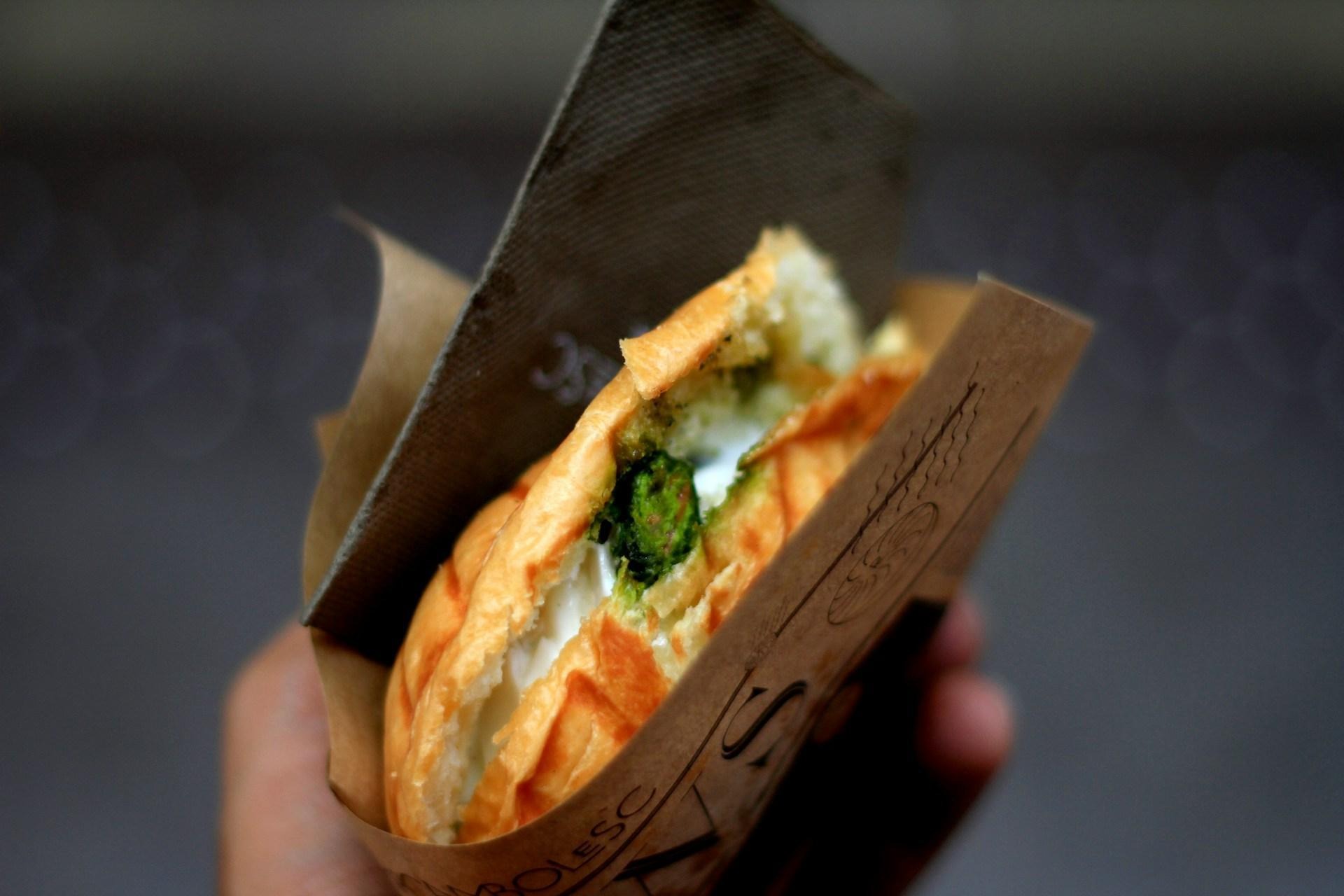
Food is one of the best reasons to travel. A bowl of noodles at a night market, fresh bread from a neighborhood bakery, grilled seafood by the water, or a family-run café tucked down a side street can tell you as much about a place as any museum or landmark. For many travelers, eating is not just part of the trip. It is the point of the trip.
The good news is that food-focused travel does not have to mean expensive restaurants, luxury tasting menus, or huge credit card bills. Some of the most memorable meals in the world are affordable, casual, and found where locals eat every day. With a little planning, curiosity, and budget awareness, you can enjoy incredible food experiences without coming home financially stressed.
Choose Destinations Where Food Is Both Affordable and Memorable
Not every destination costs the same when it comes to eating well. Some cities are known for excellent food, but also have high restaurant prices. Others offer unforgettable meals at markets, stalls, bakeries, and small local restaurants for a fraction of the cost.
Before choosing where to go, research the local food scene. Look for destinations with strong street food culture, affordable public markets, casual eateries, and regional specialties. Places known for noodles, dumplings, tacos, curries, pastries, grilled meats, soups, or rice dishes often offer plenty of budget-friendly meals that are also deeply connected to local culture.
Choosing the right destination can make your food budget go much further. A traveler may spend less on a week of incredible street food than on a few formal dinners in a more expensive city.
Build a Food Budget Before You Go
A food budget does not have to take the spontaneity out of your trip. In fact, it can make spontaneity easier because you know what you can afford. Start by estimating how much you want to spend each day on meals, snacks, drinks, and special food experiences.
Think beyond three meals a day. Include coffee, bottled water if needed, desserts, market snacks, cooking classes, food tours, tips, and the occasional splurge meal. If you are traveling with others, decide whether you will share dishes, split costs evenly, or pay separately.
It also helps to plan different types of days. Some days might be mostly street food and market meals. Other days may include a nicer dinner or a guided food tour. This balance lets you enjoy the trip without feeling restricted.
Review Your Finances Before Booking
Before setting aside money for flights, hotels, food tours, and night markets, it helps to look at your current monthly obligations. If existing debt payments are taking up too much of your budget, using a debt consolidation loan calculator can help you estimate whether consolidating certain debts could simplify payments and create more room for travel savings. The goal is not to borrow recklessly for a trip, but to understand whether organizing your finances could make a food-focused adventure more realistic.
This step is especially useful if you are planning a bigger journey, such as a multi-country trip or a long-awaited culinary adventure. A travel fund should fit into your life without putting essentials at risk. Rent, utilities, groceries, insurance, emergency savings, and debt payments still matter. A great trip should feel exciting before, during, and after—not like a financial hangover.
Prioritize Street Food and Local Markets
Street food is often the heart of a destination’s food culture. It is usually affordable, fast, flavorful, and connected to daily life. Markets and food stalls let you sample multiple dishes without committing to a full restaurant meal, making them perfect for curious travelers.
Look for busy stalls with high turnover, especially those popular with locals. A long line can be a good sign, not just for taste but also for freshness. Try small portions from different vendors to sample more without overspending.
Local markets are also great for breakfasts, snacks, and picnic-style meals. Fresh fruit, pastries, cheese, bread, dumplings, skewers, and regional sweets can turn a simple meal into one of the best memories of the trip.
Mix Cheap Eats With Planned Splurges
Budget food travel does not mean never spending more. It means choosing splurges intentionally. You might eat most of the trip casually, but set aside money for one special restaurant, a cooking class, a wine tasting, or a guided food tour.
Planned splurges feel better because they are part of the budget, not an accident. If you know you want one memorable dinner, you can balance it by choosing cheaper breakfasts and lunches that day. This approach lets you enjoy something special without feeling guilty or surprised by the cost.
The key is to spend more on experiences that genuinely matter to you. A famous restaurant may be worth it for one traveler, while another might prefer a market tour or a hands-on cooking class.
Avoid Tourist-Trap Dining Areas
Restaurants near major landmarks, main squares, and heavy tourist zones often charge more for food that may not be as memorable. You do not have to avoid these areas entirely, but it helps to be selective.
Walk a few blocks away from the busiest streets. Look for menus in the local language, simple dining rooms, and places filled with residents rather than only visitors. Ask hotel staff, shopkeepers, taxi drivers, or local guides where they eat on a normal day.
Online reviews can help, but do not rely on them completely. Some of the best food spots are small, informal, and not heavily promoted. Stay open to discovery.
Use Food Tours Strategically
Food tours can seem expensive at first, but they can be worth it if they replace a meal and introduce you to dishes you might not find on your own. A good guide can explain ingredients, food history, local customs, and neighborhood context.
If you book a food tour, consider doing it early in the trip. That way, you can return to your favorite stalls or restaurants later. You may also learn how to order, what dishes to look for, and which areas are best for affordable meals.
Eat Like Locals
Local eating habits can save money. In many places, lunch is cheaper than dinner. Set menus, daily specials, bakeries, cafeterias, and market counters can offer excellent value. Sharing dishes can also help you taste more while spending less.
Pay attention to when and where locals eat. A simple breakfast from a bakery, a lunch special near office buildings, or a late-night snack from a busy stall may be more authentic and affordable than a restaurant designed for tourists.
Track Spending Without Obsessing
You do not need to record every bite, but checking your spending every day or two can keep your budget on track. If you overspend one day, balance it with cheaper meals the next. If you are under budget, you may have room for a special experience.
A flexible budget gives you freedom. It helps you say yes to the meals that matter and no to the ones that are simply convenient.
Final Thoughts
Eating your way around the world is not about spending the most money. It is about curiosity, local connection, and knowing where to look. Street stalls, markets, bakeries, neighborhood restaurants, and family-run spots often create the richest travel memories.
With a realistic budget, smart planning, and a willingness to eat like locals, you can enjoy unforgettable food experiences around the world without blowing your budget.