
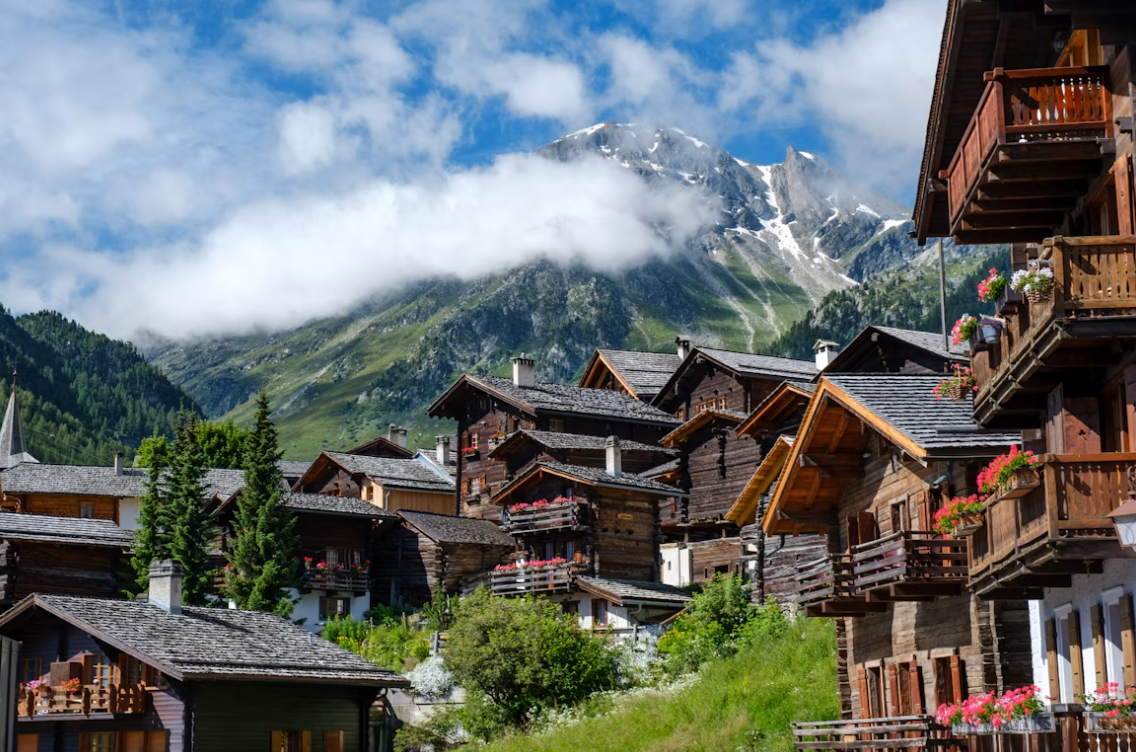
The Langtang region is a beautiful trekking area north of Kathmandu, close to the Tibetan border.
The Langtang Valley Trek is one of Nepal’s most popular short Himalayan journeys. It offers close mountain views, rich Tamang culture, and peaceful trails.
The highest common trekking point is Kyanjin Ri at about 4,773 meters. Some trekkers also go to Tserko Ri for even higher views.
The region is culturally important because it is home to the Tamang people, who follow Tibetan-influenced traditions and lifestyles.
Before the 2015 earthquake, many lodges were simple and less structured. After the earthquake, rebuilding brought stronger materials and improved safety standards in almost every teahouse. Now, lodges are more secure and better managed.
The trek starts from Syabrubesi and is around a 65 km round trip. It usually takes 7 to 8 days.
Daily walking is around 5 to 7 hours, depending on the route and stops. The post-earthquake trail is safer and well-maintained, making the experience more reliable and comfortable.
Strengthened Lodge Structures After Earthquake Damage
After the 2015 earthquake, many lodges in the Langtang region were heavily damaged or fully destroyed.
This led to a strong rebuilding effort across the valley. Today, strengthened lodge structures are one of the most important improvements for trekkers’ safety.
New lodges are built with stronger foundations and better-quality materials like reinforced stone, cement, and metal supports.
Many old wooden or weak stone buildings have been replaced. Local builders now follow improved construction guidelines that focus on earthquake resistance and long-term durability.
These changes make the lodges safer during natural disasters and also more comfortable for daily stays.
Rooms are more stable, roofs are better secured, and common dining areas are designed to handle harsh weather conditions.
Overall, the rebuilding process has made the trekking experience in Langtang more reliable.
Trekkers can now stay with greater confidence, knowing that safety has become a priority in lodge construction after the earthquake.
Improved Building Materials for Safer Mountain Stays
After the 2015 earthquake, many lodges in the Langtang region were heavily damaged or fully destroyed.
This led to a strong rebuilding effort across the valley. Today, strengthened lodge structures are one of the most important improvements for trekkers’ safety.
New lodges are built with stronger foundations and better-quality materials like reinforced stone, cement, and metal supports.
Many old wooden or weak stone buildings have been replaced. Local builders now follow improved construction guidelines that focus on earthquake resistance and long-term durability.
These changes make the lodges safer during natural disasters and also more comfortable for daily stays.
Rooms are more stable, roofs are better secured, and common dining areas are designed to handle harsh weather conditions.
Overall, the rebuilding process has made the trekking experience in Langtang more reliable.
Trekkers can now stay with greater confidence, knowing that safety has become a priority in lodge construction after the earthquake.
Updated Safety Rules and Local Construction Standards
After the earthquake, the Langtang region introduced updated safety rules and stronger construction standards for lodges.
Local authorities and communities worked together to make buildings more secure and earthquake-resistant.
Now, every new lodge must follow basic safety guidelines, including stronger foundations, proper support beams, and safer roofing materials.
Regular checks are also encouraged to ensure buildings remain safe over time. Local builders receive better training on safe construction practices.
These updates help reduce risks during natural disasters and improve overall stability in mountain areas.
For trekkers, this means safer accommodation and more trust in the infrastructure. The focus is now on long-term safety, not just quick rebuilding, making the region more prepared and secure than before.
How Rebuilding Efforts Improved Trekking Confidence in Nepal
After the 2015 earthquake, rebuilding efforts across trekking regions like Langtang played a major role in restoring trust among travelers.
Damaged trails, lodges, and villages were carefully rebuilt with stronger materials and better planning. This improved safety standards and made the infrastructure more reliable.
Trekkers now feel more confident because lodges are safer, trails are better maintained, and local communities are more prepared for emergencies.
Clear signage, improved bridges, and upgraded teahouses also add to the sense of security. Insurance, rescue support, and communication systems have also improved in many areas.
Overall, these rebuilding efforts have helped Nepal regain its image as a safe and well-managed trekking destination, encouraging more visitors to return and explore the mountains with confidence.