
An overnight flight. A train into the city center. Wandering unfamiliar streets with no agenda except eating whatever smells best. Maybe you’ve marked a few food stalls on Google Maps, maybe not. The whole point is discovery.
Then reality hits around 3 p.m. You’ve been awake for eighteen hours. The airport breakfast was forgettable. The street market you wanted to visit doesn’t open until dinner. Suddenly every decision feels harder because you’re running on caffeine and sugar.
I learned this the hard way in Bangkok after spending an entire afternoon searching for boat noodles while dragging a backpack through humid alleyways. I eventually found an incredible tiny restaurant tucked under a highway overpass but by the time I sat down, I was so hungry I barely appreciated the experience.
Since then, I’ve stopped relying entirely on airports, convenience stores, and whatever street food happens to appear at the right moment. I still travel for local food first. Always. But now I carry a few lightweight, shelf-stable protein options that help bridge the gap between meals without taking over the trip.
The Problem With Depending Only on Airport Meals and Street Food
One of the best parts of traveling is eating spontaneously. Some of my favorite meals happened because I followed a line of locals into a tiny shop with no English menu.
But long travel days are unpredictable.
Flights get delayed. Food stalls close between lunch and dinner. Museums take longer than expected. Sometimes you arrive in a new city exhausted and discover the “famous night market” is another forty-minute subway ride away.
Airport food rarely helps. It’s expensive, heavy, and often leaves you hungry again an hour later. Grabbing fast food between flights usually means a blood sugar crash right when you need energy most.
Street food can be incredible, but it’s not always available exactly when your body needs fuel.
That’s why I’ve started thinking about travel snacks differently. Instead of packing chips or sweets, I focus on compact savory foods with enough protein to keep me steady while exploring.
What Actually Works for Travel
The best travel foods share a few traits:
- No refrigeration required
- Easy to carry in a backpack or sling
- Not messy during flights or train rides
- Filling without feeling heavy
- Durable enough to survive being crushed under a laptop and a camera charger
Nuts are the obvious classic. Roasted chickpeas travel well too. Hard cheeses can survive short stretches without refrigeration if you’re moving quickly between destinations.But savory protein snacks are especially useful during long transit days because they feel closer to real food than snack food.
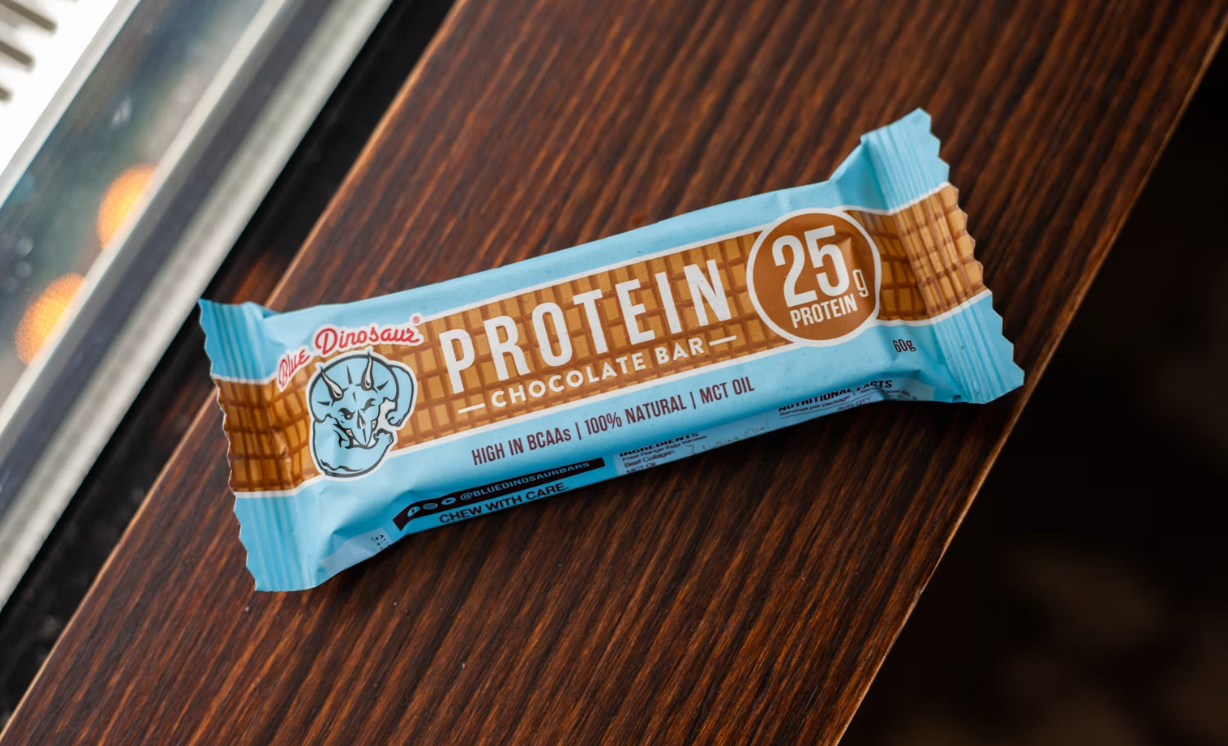
I started carrying small packs of https://jerkybrands.com/collections/chicken-jerky after a chaotic travel day through Mexico City where every meal opportunity somehow disappeared. Unlike protein bars which often taste aggressively, artificial savory snacks feel more satisfying when you’ve been surrounded by airports and vending machines all day.A few pieces between meals can buy you enough energy to keep wandering until you find the taco stand, noodle shop, or late-night grill you actually came for.
I usually look for simple, travel-friendly options because they pack easily and don’t require cooler space in my bag.
Snacks That Complement the Trip Not Replace It
I’m not interested in traveling with a suitcase full of meal prep containers or treating every city like a fitness challenge. Local food is part of the experience. Sometimes it’s the experience.
The goal isn’t to avoid street food. It’s to avoid becoming so hungry that you end up settling for the first mediocre airport sandwich you see.
Some of the best travel meals require patience:
- Waiting in line at a tiny ramen shop in Tokyo
- Searching side streets for the right hawker stall in Singapore
- Holding out for evening markets that don’t come alive until sunset
Having something small and savory in your backpack makes those moments easier.
It also helps during the in-between hours that travel guides never mention early morning bus rides, long museum afternoons, delayed ferries, or those stretches when you’re walking ten miles through a city because every corner looks interesting.
My Go-To Travel Food Setup
After enough trips, my packing routine became pretty simple:
- Nuts or trail mix for quick calories
- Something savory with protein
- Electrolyte packets
- A refillable water bottle
- One “emergency snack” I forget about until things go sideways
That last category has saved me more than once.
Like the time I landed in Lisbon after midnight and realized nearly everything near my hotel had already closed. Or the seven-hour train ride in Eastern Europe where the dining car never opened. Or the overnight airport delay where every restaurant shut down except a vending machine selling gummy bears.Travel is smoother when you’re not desperately hungry.
And ironically, staying lightly fueled throughout the day often makes local meals more enjoyable because you can slow down and actually appreciate them.
The Best Meals Are Still the Ones You Find Along the Way
No shelf-stable snack will ever beat fresh street food eaten on a plastic stool somewhere unfamiliar.That’s still the goal.The smoky skewers in Jakarta. Fresh arepas in Bogotá. Tiny paper trays of currywurst in Berlin at 1 a.m. Those are the moments that stay with you.
But seasoned travelers learn quickly that adventure runs better with a little preparation.
Sometimes the smartest thing you can pack isn’t another camera lens or extra pair of shoes — it’s simply a few reliable snacks that keep you energized long enough to discover the meal you’ll remember for years.
Conclusion
There’s a difference between embracing spontaneity and spending an entire day running on empty because the only available food was a stale airport muffin and a coffee. The best trips usually involve a little preparation just enough to keep you comfortable while leaving plenty of room for discovery.
That’s why lightweight, shelf-stable snacks have become part of my travel routine. Not to replace local food experiences, but to support them. A few savory protein options tucked into a backpack can make long flights, delayed trains, and endless walking days far more enjoyable.
Because at the end of the day, the goal isn’t to snack your way through a destination.
It’s to stay energized enough to keep exploring until you stumble across that unforgettable noodle stall, crowded market, or tiny family-run restaurant you never would’ve found otherwise.