
Eating together has always meant more than just filling a plate. Long before menus listed individual entrees and servers asked each guest to choose their own meal, food arrived at the table in large bowls and on wide platters meant to be passed around.
That older way of eating is making a strong return in East Ridge, TN, and people are rediscovering why meals built for sharing feel different from meals served one portion at a time. Sharing platters and family-style dining bring people closer, slow the pace of a meal, and turn an ordinary night out into something memorable.
Why Group Meals Feel Different
A meal designed to be passed around changes the entire mood at the table. Instead of each person staying inside their own plate, everyone reaches for the same dishes, hands food to one another, and ends up talking about what they are eating. There is something disarming about a heaping tray of meat in the middle of the table, especially when conversation has stalled or when the group includes people who do not know each other well.
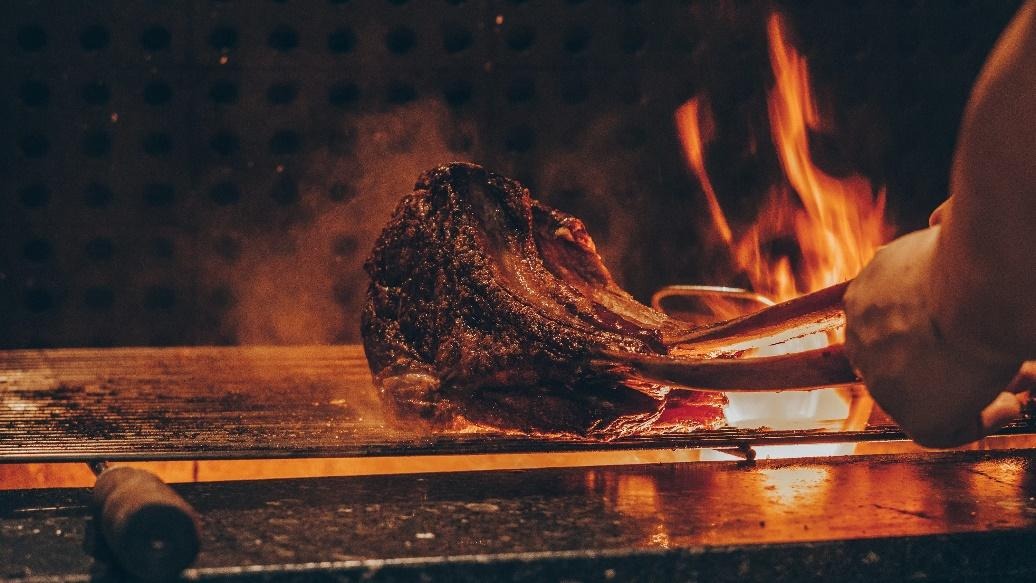
The food itself becomes the icebreaker. Slow-cooked meats and homestyle sides built for the table have a particular pull, which is why a BBQ restaurant like Buddy’s bar-b-q in East Ridge, TN draws families and groups looking for that exact experience, with pork, chicken, brisket, ribs, hawg-back potatoes, and wings prepared the same way and smoked daily on site since 1972. The shared platter format invites a kind of relaxed eating that single-plate service rarely produces.
A Tradition Rooted in Hospitality
Sharing food from common dishes is one of the oldest hospitality customs in the world. Across cultures and centuries, hosts placed their best preparations in the middle of the table and let guests serve themselves, signaling abundance and welcome. That gesture carries weight even today.
When a platter lands in front of a group, the host is not just feeding people but showing care, and the guests respond by serving each other first. This back and forth builds something that plated meals cannot replicate, a sense that everyone at the table is participating in the same act. The roots of family-style dining run deep precisely because the format itself communicates generosity without anyone having to say a word.
Conversation Flows Easier
When dishes move around the table, so does talk. Reaching for a side of slaw, asking someone to pass the cornbread, or commenting on how good the rolls smell creates dozens of small openings for conversation. None of it feels forced. People who might sit quietly through a plated dinner often open up over a shared meal because the act of serving and being served gives them something natural to do with their hands and their attention.
Children learn manners by watching the adults around them pass food and wait their turn. Older relatives get drawn into the rhythm without feeling sidelined. The meal becomes a setting where stories surface on their own, often the ones that get retold for years afterward.
Built for Celebrations and Everyday Gatherings
Family-style service fits almost any occasion. Birthdays, holidays, reunions, and graduations all gain something from food laid out in the middle of the table rather than divided into individual servings. But the format also works on plain weeknights when a family just wants to eat together without ceremony. The flexibility is part of why shared platters keep showing up at both casual dinners and major events.
Hosts can scale the spread up or down, add a few extra sides, or order additional meat without having to rework the whole meal around individual preferences. Guests with smaller appetites take less. Guests who came hungry take more. Everyone ends up satisfied without anyone feeling boxed into a fixed portion.
The Comfort of Choice Without Pressure
One of the quieter benefits of sharing platters is that nobody has to commit to a single dish. A diner can try a little of everything, go back for seconds of what they liked best, and skip what does not appeal to them, all without making a production of it. This freedom matters more than it might seem.
People with picky palates, dietary preferences, or simple indecision often feel pressured when they have to lock in one choice from a menu. Sharing removes that pressure entirely. The table holds variety, and each guest builds their own plate from whatever is in front of them. It feels generous and unhurried, two qualities that modern meals often lack. Guests also feel more comfortable speaking up about what they enjoy when the table is set up to accommodate everyone at once.
Slowing Down the Meal
A meal built around shared dishes tends to last longer, and that is a good thing. Plated meals can disappear quickly because everyone eats their own portion in parallel and then sits waiting. With platters, people pace themselves around the group. They pause between helpings, refill drinks, lean back to talk, and reach for more when they are ready.
The natural rhythm stretches the meal across an hour or two without anyone noticing the time passing. That extra space is where the real value of family-style dining lives. The food matters, but the room it creates for conversation, laughter, and unhurried company matters even more. Nobody feels rushed to finish, and nobody feels stranded waiting for the rest of the table to catch up. The meal moves as one, the way good meals always have.
Why It Keeps Coming Back
Trends in restaurants and home cooking shift constantly, but shared platters keep returning because they answer something basic about how people want to eat together. The format is welcoming, flexible, generous, and social all at once. It works for big crowds and small ones, for festive nights and quiet ones, for old friends and new acquaintances.
Anyone who has sat around a table loaded with food meant for everyone knows the feeling, and that feeling is the reason family-style dining never really goes out of style.