
The coconut acai base has emerged as one of the most compelling developments in the smoothie bowl movement, marrying the creamy richness of coconut with the antioxidant-dense acai berry. What began as a niche offering in coastal health cafes has evolved into a global phenomenon, appearing on menus from Bali to Brooklyn. For travelers and food enthusiasts alike, this tropical combination represents more than just a photogenic breakfast—it’s a nutrient-dense meal that delivers sustained energy without the crash of traditional breakfast options.
Understanding the Coconut Acai Base
At its core, a coconut acai base combines two ingredients that have independently dominated health food conversations for years. The base typically blends coconut milk or coconut cream with frozen acai pulp, creating a foundation that’s both indulgent and nutritious. Unlike conventional smoothie bases that rely on yogurt or juice, this combination offers a distinct flavor profile that balances tropical sweetness with berry tartness.
The components work in harmony:
- Coconut: Provides medium-chain triglycerides (MCTs) and a velvety texture that creates the bowl’s signature consistency. The subtle sweetness complements rather than overwhelms the acai’s natural flavor.
- Acai Berries: These Amazonian berries deliver a concentrated dose of anthocyanins—the same antioxidants found in blueberries and red wine—along with a flavor that food scientists describe as a cross between wild berries and dark chocolate.
This pairing creates what nutritionists call a “complete base”—one that requires minimal additional ingredients to achieve both satisfying taste and nutritional completeness. The result is a foundation that stands apart from conventional smoothie bowl bases in both flavor complexity and nutritional density.
The Nutritional Case for Coconut and Acai
The health benefits of combining coconut and acai extend beyond simple nutrition marketing. Research has validated many of the claims surrounding these ingredients, particularly regarding their antioxidant capacity and metabolic effects.
- Nutrient Density: Coconut provides lauric acid, a saturated fat that research suggests may support immune function and metabolic health. It also delivers manganese, copper, and selenium—minerals often deficient in Western diets.
- Antioxidant Concentration: Acai berries rank among the highest-scoring foods on the ORAC scale, which measures antioxidant capacity. Studies published in the Journal of Agricultural and Food Chemistry have documented acai’s ability to neutralize free radicals more effectively than many common fruits.
- Cardiovascular Support: The MCTs in coconut may improve HDL cholesterol levels, while acai’s plant sterols have been shown to support healthy blood lipid profiles. A study in Nutrition Journal found that regular acai consumption improved cholesterol markers in overweight adults.
- Digestive Health: Both ingredients contribute significant fiber—coconut through its flesh and acai through its skin and pulp. This combination supports gut microbiome diversity and regular digestive function.
Crafting the Perfect Coconut Smoothie Bowl Base
Creating a restaurant-quality coconut acai base at home requires attention to ratios and technique. The goal is achieving a thick, spoonable consistency that holds toppings without becoming icy or watery.
- Select Quality Ingredients: Use full-fat coconut milk (not the beverage variety), unsweetened frozen acai packets, one frozen banana, and a handful of ice. For enhanced creaminess, add one tablespoon of cashew or almond butter.
- Master the Blend: Combine ingredients in a high-powered blender, starting with liquids first. Blend on low speed initially, then increase gradually. The mixture should be thick enough that the blender struggles slightly—this indicates proper consistency.
- Adjust Texture: If too thick, add coconut milk in one-tablespoon increments. If too thin, incorporate additional frozen acai or ice. The ideal consistency should resemble soft-serve ice cream.
- Serve Immediately: Pour into a chilled bowl and add toppings quickly. The base will begin to soften at room temperature, so preparation timing matters.
Professional smoothie bowl makers emphasize the importance of frozen ingredients—room temperature additions will compromise the base’s structure and create an unappetizing soup-like consistency.
Popular Coconut Base Acai Bowl Variations
The versatility of a coconut acai bowl base allows for endless customization, accommodating different dietary preferences and flavor profiles. These variations have gained traction in cafes worldwide:
- Classic Tropical: The foundational version combines the coconut base with sliced banana, fresh berries, granola, and shredded coconut. This remains the most popular configuration in health-focused cafes.
- Island Fusion: Incorporates mango, pineapple, and passion fruit into the base itself, then tops with kiwi, macadamia nuts, and a drizzle of local honey. This variation dominates menus in Hawaii and Southeast Asia.
- Protein-Enhanced: Blends almond butter or hemp seeds directly into the base, then tops with additional nuts, cacao nibs, and a sprinkle of cinnamon. Popular among fitness enthusiasts and those seeking sustained energy.
- Green Powerhouse: Adds spinach or kale to the base without compromising flavor, then garnishes with chia seeds, sliced almonds, and goji berries. This version appeals to those maximizing micronutrient intake.
Each variation maintains the integrity of the coconut acai foundation while allowing personal preference to guide topping selection and additional ingredients.
Finding Coconut Acai Bowls While Traveling
The global proliferation of smoothie bowl culture means travelers can now find quality coconut acai bowls in most major cities and tourist destinations. However, quality varies significantly, and knowing where to look improves the experience.
- Research Before Arrival: Use Google Maps and Instagram location tags to identify cafes specializing in acai bowls. Look for establishments with consistent reviews mentioning ingredient quality and portion sizes.
- Explore Local Markets: In tropical destinations, morning markets often feature vendors selling fresh acai bowls made with locally sourced ingredients. These typically offer better value and fresher components than tourist-area cafes.
- Prepare Your Own: Accommodations with kitchenettes allow for DIY bowl creation. Many grocery stores now stock frozen acai packets and coconut milk, making self-preparation feasible even while traveling.
- Seek Health Food Stores: Whole Foods, natural food co-ops, and similar retailers frequently operate juice bars that prepare acai bowls to order. These establishments typically maintain higher ingredient standards than conventional cafes.
- Embrace Regional Variations: Different regions incorporate local ingredients into their coconut acai bowls. Brazilian versions might include guarana, while Australian cafes often add native fruits like finger lime or Davidson plum.
Travelers should note that authentic acai bowls in Brazil—where the tradition originated—often feature less sweetness and more savory toppings than Western interpretations, reflecting different cultural preferences around breakfast foods.
Why the Coconut Acai Bowl Base Deserves Attention
Beyond the Instagram appeal and health halo, the coconut acai bowl base represents a legitimate advancement in accessible nutrition. Its popularity reflects broader shifts in how people approach breakfast and portable meals.
- Flavor Complexity: The combination delivers a taste experience that satisfies without relying on added sugars or artificial flavoring. The natural sweetness of coconut and the berry notes of acai create a self-balancing flavor profile.
- Sustained Energy: Unlike carbohydrate-heavy breakfast options that trigger blood sugar spikes, the healthy fats in coconut provide steady energy release. Many users report feeling satisfied for 4-5 hours after consuming a properly constructed bowl.
- Dietary Flexibility: The base naturally accommodates vegan, paleo, and gluten-free diets without modification. This universality has contributed to its widespread adoption across different dietary communities.
- Global Availability: The standardization of acai bowl preparation means travelers can find familiar, reliable options in unfamiliar locations. This consistency provides comfort while still allowing for local variation.
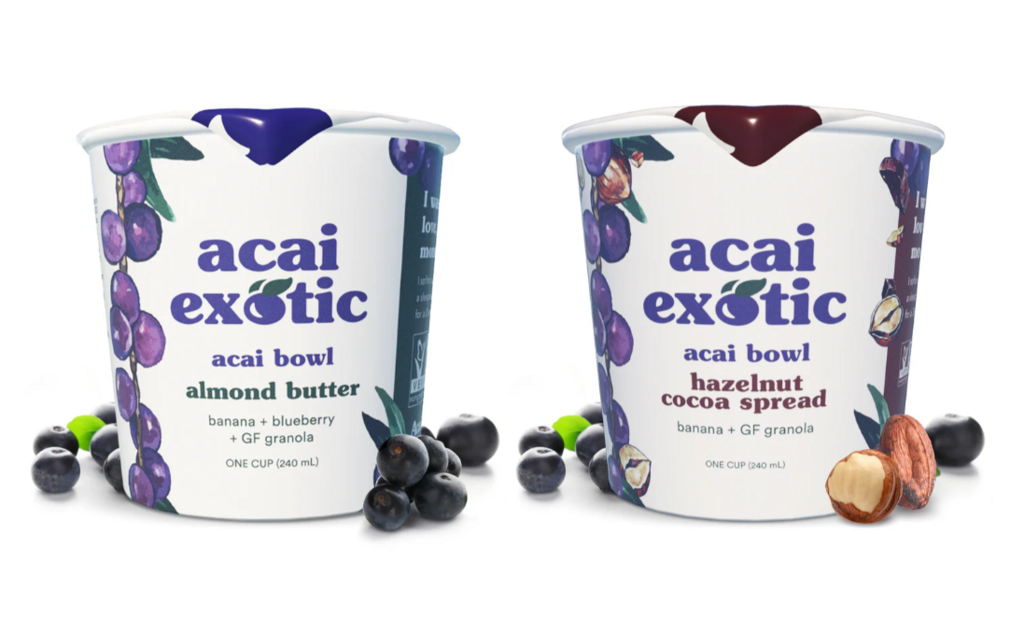
For those seeking a reliable source of quality ingredients, suppliers like Sambazon, Açaí Roots, and AcaiExotic all carry pre-made options that offer the consistency coconut acai base products are difficult to achieve with individual component sourcing, particularly for those new to smoothie bowl preparation.
Expanding Your Exotic Flavor Repertoire
The coconut acai base serves as an entry point into a broader world of tropical and exotic flavors that can transform both everyday meals and travel experiences. Developing an adventurous palate enhances cultural immersion and nutritional diversity.
- Cultural Connection: Food represents one of the most accessible windows into local culture. Trying regional preparations and ingredients creates memorable experiences and deeper understanding of place.
- Nutritional Diversity: Different plants contain different phytonutrients, and dietary variety correlates with improved health outcomes. The American Gut Project found that people who consume more than 30 different plant foods weekly have more diverse gut microbiomes than those eating fewer varieties.
- Sensory Development: Regular exposure to new flavors literally changes how we perceive food. Taste researchers have documented that adventurous eating expands flavor vocabulary and increases enjoyment of diverse cuisines.
Whether at home or abroad, approaching food with curiosity rather than caution opens doors to experiences that transcend simple nutrition. The coconut acai base exemplifies how exotic ingredients can become everyday staples, enriching both diet and daily routine with flavors that once seemed impossibly distant.