
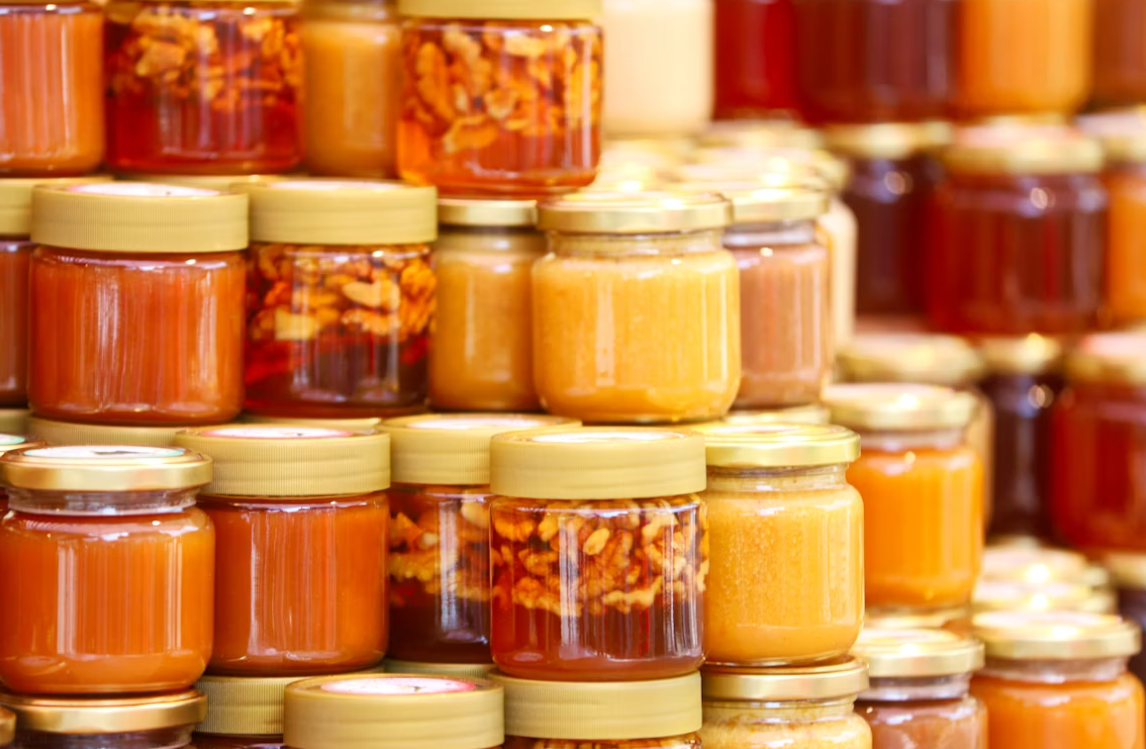
There is a version of honey that tastes like a jar labeled honey, and another version that tastes like wherever the bees were foraging when they made it. The first version is fine. The second version is why cooks who have discovered it stop buying the first. Indiana has both kinds available. The difference shows up most clearly not when eating honey off a spoon but when cooking with it, because heat and combination reveal what a honey actually contains rather than just what sweetness category it belongs to.
This guide is about using the second kind. Not storing it in a bear-shaped bottle and drizzling it on pancakes occasionally. Actually cooking with it in ways that make the flavor the point.
1. Understanding What Indiana Honey Tastes Like
Indiana honey varies by region and by season in ways that reward paying attention. Clover honey, which most beekeepers in the state produce in some quantity, is mild and lightly floral with a clean sweetness that does not compete with other flavors. Wildflower varieties from different parts of the state carry different profiles depending on what was blooming when the bees were working. A summer wildflower honey from a farm in Brown County will taste different from one produced near fields in Hendricks County, and both will taste different from the fall variety made after goldenrod and aster come in.
Finding Local Honey Indiana producers who can describe their harvest by floral source and season gives the cook something to work with beyond a general sweetness level. Hunter’s Honey Farm, as one example, produces varieties with distinct flavor profiles tied to the specific forage available to their bees. Buying directly from a producer and asking which honey works best for what purpose is a different kind of grocery shopping and a more useful one for cooking purposes. The same principle applies in the UK, where Local Honey Man offers British raw honey alongside infused varieties and other hive products.
2. Heat Changes Everything, and That Is the Point
Raw honey heated gently loses some of its aromatic volatiles, which is why the flavor of heated honey is different from honey eaten directly. Not worse. Different. For some applications, cooked-down honey develops a rounder, more caramelized quality that raw honey never achieves. For others, the goal is to add honey late in the cooking process to preserve as much of the original character as possible.
Glazes for roasted meats benefit from starting the honey early enough that it caramelizes against the protein surface. Vinaigrettes and dressings benefit from adding honey at the end, whisked in cold, so the floral notes come through against the acid. Baked goods fall somewhere in the middle: the honey’s flavor survives the oven, especially in dense batters where the heat is gentler and longer, but the brightest notes from a very delicate honey will quiet down.
3. Cooking Applications That Actually Use the Flavor
A good Indiana honey deserves applications where the flavor is the reason for using it rather than a pleasant side effect. Consider these:
- Honey-glazed root vegetables. Carrots, parsnips, or sweet potatoes roasted with a wildflower honey and a small amount of apple cider vinegar. The vinegar brings the honey’s sweetness into focus rather than letting it sit flat. Finish with fresh thyme if available.
- Hot honey for savory use. Warming honey slowly with dried red pepper flakes until the heat blooms into the honey produces a condiment that works on fried chicken, pizza, roasted winter squash, and aged cheeses. Indiana wildflower honey carries enough complexity to survive the pepper without tasting like just-sweetened heat.
- Honey in braises. Adding a tablespoon of buckwheat or dark wildflower honey to a braising liquid for pork shoulder or short ribs contributes a depth that white sugar or maple syrup does not replicate. The honey’s slight bitterness rounds out the richness of the braise in a way that purely sweet additions do not.
- Honey butter for biscuits. Whip softened butter with honey and a pinch of sea salt. The proportion matters: one part honey to three parts butter is a starting point. This is where a mild clover honey actually shines because it does not overpower the butter.
4. Baking With Local Honey
Substituting honey for granulated sugar in baking requires some adjustment. Honey adds moisture to a batter, which means reducing other liquids slightly and sometimes adjusting baking temperature down by about 25 degrees to prevent over-browning. A general rule: for every cup of sugar replaced, use three-quarters cup of honey and reduce other liquids by three tablespoons.
But the more interesting baking application is not substitution. It is using honey as a primary flavor. Honey cake, baklava, honeycomb toffee, and glazed pastries are all vehicles for showcasing a specific honey’s character rather than just borrowing its sweetness. Using an Indiana wildflower honey in a honey cake produces a different cake from one made with commercial blended honey, and the difference is the flavor of the place the honey came from.
5. Pairing Local Honey With Cheese
The combination of honey and cheese is one of the more reliable flavor pairings in any cheese-forward cook’s repertoire, and it is also where the specific character of a local honey becomes most apparent. Mild clover honey on sharp cheddar or aged gouda. Dark wildflower honey on blue cheese. A lighter spring honey alongside fresh chevre. Each combination works because honey’s sweetness provides contrast rather than competition against the salt and fat of a good cheese.
Conclusion
Cooking with local Indiana honey is not a special occasion decision. It is a pantry decision. Stock two or three varieties with different flavor profiles, learn which applications suit each, and the honey stops being a condiment and becomes an ingredient with as much personality as any spice or acid in the kitchen.