
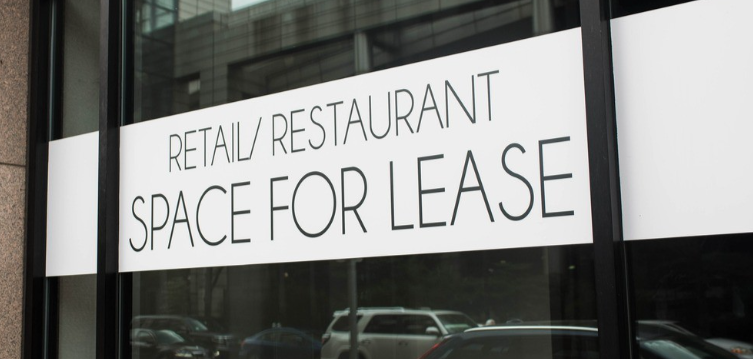
Rent restaurant spaces can look perfect at first glance, but the real story always hides in the details. I learned this the hard way when I almost signed a lease for a cozy corner spot that looked busy all day. It turned out the foot traffic came from a nearby office that had just announced relocation. That one detail would have killed the business before it even opened.
If you’re planning to open a food business, every small check matters more than the decor or the rent price, especially when you’re evaluating options like rent restaurant listings that may look good on the surface but need deeper inspection.
Location Foot Traffic Isn’t What It Seems
A busy street doesn’t always mean paying customers. Spend a few hours watching who actually walks in and out of nearby places. I once sat outside a potential spot for three days straight with a coffee just counting people. Most were delivery drivers and not dine-in customers. That insight saved me from choosing a poor location. Look for patterns during lunch, dinner, and weekends. Ask nearby shop owners about seasonal fluctuations. Some areas feel lively but drop to zero activity after office hours.
Lease Terms Can Make or Break Your Profit
Never rush through a lease agreement. Landlords often include clauses that look harmless but cost you later. Check escalation clauses, maintenance responsibilities, and lock-in periods. I saw a friend sign a lease where rent increased every year without limit. Within two years, the business couldn’t keep up with costs. Make sure you understand who handles repairs like plumbing or electrical work. Unexpected expenses can drain your budget fast. If possible, get a lawyer or experienced consultant to review everything.
Kitchen Infrastructure Saves You Money
A fully equipped kitchen sounds great, but inspect every detail. Turn on appliances, check gas lines, and test ventilation systems. I once visited a place where the exhaust system looked fine but barely worked. Fixing it cost more than buying a new setup. Look for proper drainage, grease traps, and storage space. These small things directly affect daily operations. If the setup isn’t aligned with your menu, you’ll spend heavily on modifications.
Understand the Local Competition
Walk around and map out every restaurant within a few blocks. Note what they serve, their pricing, and customer flow. Opening another similar concept in a saturated area is risky. But sometimes, competition means demand already exists. I’ve seen burger joints succeed next to other burger places because they offered something unique. Focus on what gap you can fill rather than copying what’s already there. Your concept should stand out clearly.
Zoning Laws and Licenses Matter More Than You Think
Before you get excited about interiors, check local regulations. Not every property is approved for food service. Some areas restrict alcohol sales or late-night operations. A colleague once signed a lease only to realize they couldn’t get a liquor license there. That completely changed their business model. Verify permits related to health, fire safety, and signage. Delays in approvals can push your launch timeline by months.
Customer Accessibility Is Often Overlooked
Think like your future customer. Is parking available nearby. Is the place easy to find on maps. I’ve walked away from good restaurants simply because parking was a nightmare. Also check public transport access. A great location should be convenient, not just visible. If customers struggle to reach you, they won’t return.
Cost Breakdown Beyond Rent
Rent is just one part of your monthly expenses. Factor in utilities, staff wages, inventory, and marketing. I once underestimated electricity costs for kitchen equipment. The bills doubled what I had planned. Always create a realistic budget based on actual usage. Ask the previous tenant about average monthly expenses if possible. Hidden costs often determine whether a restaurant survives or shuts down.
Talk to Previous Tenants If You Can
This is one of the most valuable steps. If you can find the previous tenant, ask why they left. Sometimes it’s personal reasons, but often it reveals deeper issues. I spoke to a former tenant who warned me about recurring plumbing problems. That insight helped me negotiate better terms. First-hand information beats assumptions every time.
Inspect the Surrounding Environment
Look beyond the property itself. Check cleanliness, safety, and nearby businesses. A great interior won’t help if the outside environment feels unsafe. Visit the area at night to see how it changes. I once visited a location that looked perfect during the day but felt completely different after dark. Your customers will notice these things immediately.
Final Thoughts Before You Commit
Opening a restaurant is exciting, but rushing into a lease can be costly. Every successful place you see likely went through detailed checks before opening. Take your time to evaluate location, costs, legal aspects, and infrastructure. The right space supports your concept instead of working against it. The wrong one turns even a great idea into a struggle. Trust your instincts, but back them with real research and on-ground observation.